
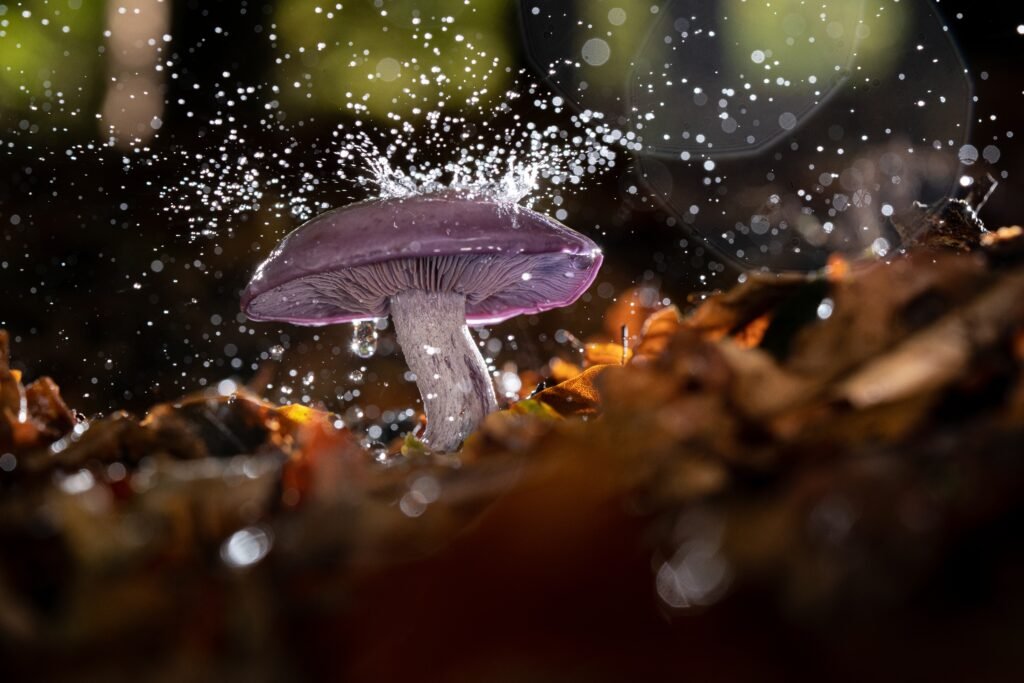
A closeup selective focus shot of a wild mushroom with water drops on it growing in a forest
Psilocybin mushrooms have long been surrounded by mystery, mythology, and controversy. Once associated primarily with underground counterculture movements, they are now being discussed in academic institutions, healthcare conferences, and legislative chambers. This transformation has sparked a broader conversation about how society understands psychedelics—balancing scientific curiosity with legitimate concerns about safety and regulation.
A Natural Compound with Powerful Effects
Psilocybin is a naturally occurring psychoactive compound found in certain species of mushrooms. When consumed, it converts into psilocin, which affects serotonin receptors in the brain. Serotonin plays a critical role in regulating mood, perception, and cognition.
Unlike substances that stimulate or depress the nervous system, psilocybin alters perception and awareness. Individuals may experience visual distortions, heightened emotional sensitivity, and changes in their sense of time and identity. These effects can vary widely depending on dosage, mental state, and surroundings.visit for more details magic mushrooms delivery.
The Psychological Experience
The psychedelic experience is often described as deeply personal and difficult to predict. Some individuals report feelings of interconnectedness, insight, or emotional release. Others may encounter anxiety, confusion, or paranoia.
Researchers emphasize that mindset and environment significantly influence outcomes. A supportive and controlled setting tends to reduce the likelihood of distress, while chaotic or unfamiliar surroundings may increase psychological risk.
The temporary changes in perception can feel profound. However, experts caution that powerful experiences do not automatically translate into lasting positive outcomes without structured integration and reflection.
Clinical Research and Mental Health Applications
In recent years, clinical trials have explored psilocybin’s potential role in mental health treatment. Scientists are studying whether carefully supervised psychedelic-assisted therapy may help individuals facing:
-
Chronic depression
-
End-of-life anxiety
-
Substance dependence
-
Trauma-related emotional distress
Preliminary findings suggest that, in structured therapeutic environments, some participants report meaningful symptom improvement. Researchers believe psilocybin may temporarily increase cognitive flexibility, allowing patients to reconsider entrenched thought patterns.
Still, these studies involve strict screening processes, professional monitoring, and psychological support before and after sessions. Self-directed or recreational use does not provide the same safeguards.
Health and Safety Considerations
While psilocybin is not considered physically addictive, it carries psychological and physiological risks. Short-term side effects can include nausea, dizziness, elevated heart rate, and impaired coordination.
More serious risks involve acute panic reactions or triggering underlying mental health conditions, particularly in individuals predisposed to psychotic disorders.
Another significant concern is mushroom misidentification. Toxic species can resemble psilocybin-containing mushrooms, and accidental ingestion of poisonous fungi can lead to severe medical consequences.
Because of these risks, medical professionals advise caution and stress the importance of evidence-based information.
The Legal Patchwork
The legal status of psilocybin mushrooms varies considerably worldwide. In many countries, psilocybin is classified as a controlled substance, making possession and distribution illegal.
However, some jurisdictions have begun to reconsider their policies. A few regions have reduced penalties for personal possession, while others are developing regulated therapeutic access programs. These policy shifts reflect growing interest in alternative approaches to mental health and drug reform.
Despite evolving laws in certain areas, psilocybin remains illegal in many parts of the world. Anyone researching the topic should consult current local regulations rather than relying on outdated information.
Ethical and Social Questions
As research expands, broader ethical issues are emerging. For example:
-
How should access be regulated if therapeutic approval becomes widespread?
-
How can commercialization avoid overshadowing traditional cultural knowledge?
-
What safeguards are necessary to protect vulnerable individuals?
These questions highlight that the conversation extends beyond pharmacology. It also involves public health, cultural respect, and responsible governance.
Media Hype vs. Scientific Reality
Media coverage has contributed to growing public curiosity. Headlines sometimes portray psilocybin as either a revolutionary cure or a dangerous threat. In reality, the scientific picture is more nuanced.
Early clinical findings are promising but not definitive. Large-scale studies and long-term follow-ups are still needed to fully understand benefits and risks. Experts consistently caution against exaggerating results or minimizing potential harm.
Balanced reporting and informed dialogue are essential to preventing misinformation.
Looking Forward
Psilocybin mushrooms are at the center of a modern reexamination of psychedelic science. What was once dismissed is now being investigated with advanced brain imaging tools and rigorous clinical protocols.
The future of psilocybin will depend on continued research, transparent policy discussions, and responsible education. Whether it becomes an approved therapeutic tool in more countries or remains tightly regulated, its impact on conversations about mental health and drug policy is already significant.
Understanding the science, psychology, and legal landscape surrounding psilocybin allows for informed perspectives rather than reactive opinions. As with many complex issues, thoughtful analysis is more productive than extremes.