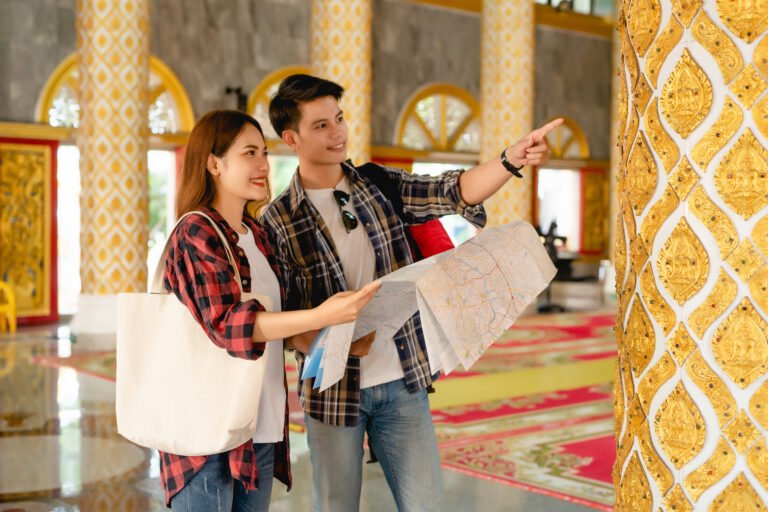

Retiring in Thailand isn’t just about getting the visa—it’s about starting a new lifestyle. Once the paperwork is complete and you’ve settled in, the real journey begins. Life here can be calm, exciting, and deeply rewarding if you know what to expect and how to adapt. This guide explores what everyday living is really like for retirees who’ve made Thailand their home.Visit (retire in thailand) for more details.
Settling into a New Rhythm
Thailand’s pace of life can feel both relaxed and energizing. Mornings might begin with a stroll to the local market for fresh fruit, followed by coffee at a small café. Unlike in many Western countries, life here flows with fewer rigid schedules. Retirees often say they quickly adjust to a more mindful, slower rhythm—something that helps reduce stress and improve overall well-being.
Adjusting takes time. The first few months can be overwhelming, with new sounds, foods, and customs. Patience is key. Gradually, routines form naturally—finding your favorite noodle shop, joining a yoga class, or greeting familiar faces at the neighborhood temple.
Understanding Day-to-Day Expenses
One of Thailand’s biggest advantages for retirees is affordability. Daily living costs are much lower than in Europe, North America, or Australia. A comfortable lifestyle is possible on a moderate budget.
Rent for a modern apartment in Chiang Mai or Hua Hin can range between 10,000–25,000 THB per month. Street food meals cost as little as 50 THB, while dining at mid-range restaurants averages around 300 THB per person. Utilities, mobile service, and local transportation are also reasonably priced.
However, it’s wise to keep a cushion for healthcare, travel, and unexpected expenses. Inflation, currency fluctuations, and visa renewals can add up. Maintaining a simple budget helps retirees live comfortably while still enjoying life’s pleasures.
Healthcare and Staying Healthy
Thailand is known for its excellent healthcare system. Private hospitals such as Bumrungrad in Bangkok or Bangkok Hospital in Chiang Mai offer world-class services at a fraction of Western costs. Most retirees choose international health insurance that covers both routine and emergency care.
Beyond medical treatment, Thailand promotes a healthy lifestyle. Fresh produce, tropical fruits, and outdoor exercise are easy to access. Many retirees find that swimming, walking, or cycling become part of their daily habits. Meditation and Thai massage also play a role in maintaining both physical and mental health.
Building Social Connections
Loneliness can be a challenge for retirees abroad, but Thailand’s friendly culture and active expat communities make it easy to meet people. Cities like Chiang Mai, Pattaya, and Hua Hin have clubs, social groups, and volunteer networks designed specifically for retirees.
Joining local activities—such as Thai cooking classes, cultural workshops, or charity projects—helps build meaningful relationships. Even simple interactions, like chatting with local shop owners or neighbors, can create lasting connections. Learning a few Thai phrases goes a long way in showing respect and fostering goodwill.
Adapting to Thai Culture and Etiquette
Respect and humility are central to Thai culture. Understanding these values can make everyday interactions smoother and more enjoyable. Always greet with a gentle wai (palms together and a slight bow), dress modestly when visiting temples, and avoid raising your voice in public.
Thai people value calmness and courtesy—getting frustrated or confrontational rarely works here. The phrase mai pen rai, meaning “never mind” or “it’s okay,” captures the Thai attitude toward life. Adopting it helps retirees live more peacefully and harmoniously.
Legal Obligations and Local Rules
After obtaining your visa, there are ongoing requirements. Retirees must report their address to immigration every 90 days. Those who travel outside the country need a re-entry permit to keep their visa valid. Failing to comply with these rules can result in fines or complications.
It’s smart to keep all important documents—passport, visa, insurance, and financial proofs—organized and easily accessible. Many expats also use local agents to assist with renewals and paperwork.
Exploring and Enjoying Thailand
Retirement doesn’t mean slowing down completely. Thailand’s natural beauty and rich culture offer endless opportunities for exploration. Weekend trips to nearby islands, temple visits, night markets, and festivals keep life exciting. Many retirees even take Thai language lessons or start small community projects.
The key is balance. Combine leisure with purpose—whether through hobbies, volunteering, or cultural learning. Thailand rewards curiosity and openness.
A Life Well Lived
Life after the visa is about more than sunny beaches and low costs—it’s about transformation. Retiring in Thailand allows people to reinvent themselves, find community, and live with a sense of gratitude. The blend of comfort, kindness, and adventure makes it one of the world’s most fulfilling retirement destinations.
For those willing to embrace change, every day in Thailand feels like a new beginning.Visit (retire in thailand) for more details.